
Surya Namaskar steps (Sun Salutation) and Benefits
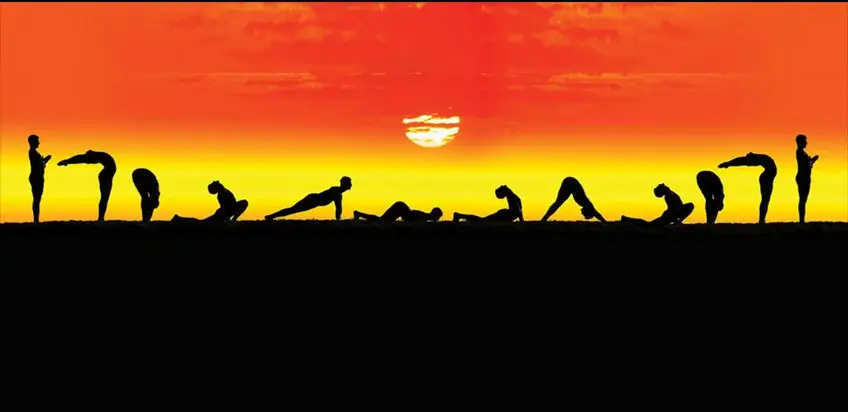
Surya Namaskar, also known as Sun Salutation, is one of the most complete and time-tested yoga practices. It combines movement, breath, and awareness into a flowing sequence that energizes the body and calms the mind. Whether you are a beginner starting yoga or an experienced practitioner refining your asana practice, learning the surya namaskar steps correctly is essential.
Although the sequence looks simple, each posture in Surya Namaskar has a specific purpose. When practiced with correct breathing and alignment, it becomes a powerful daily ritual for physical health, mental clarity, and inner balance.
What is Surya Namaskar?
Surya Namaskar is a traditional yogic sequence consisting of twelve postures performed in a continuous flow. “Surya” means sun and “Namaskar” means bowing with respect. Traditionally, it is practiced as a gesture of gratitude to the sun, the primary source of life and energy.
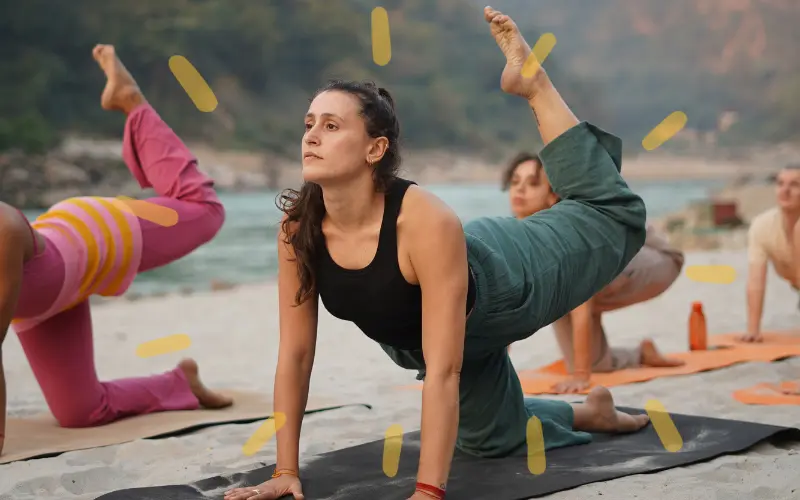
Rooted in ancient yogic and Vedic traditions, Surya Namaskar was designed to awaken prana (life force), stimulate digestion, improve circulation, and prepare the body for deeper yogic practices. Today, it is widely practiced as a complete workout, warm-up sequence, and meditative movement practice.
Top Benefits of Surya Namaskar for Body & Mind
Regular practice of Surya Namaskar offers benefits that extend far beyond physical fitness. When practiced mindfully, it strengthens the body while bringing stability and calmness to the mind.
- Improves flexibility and spinal mobility
- Strengthens muscles and joints
- Enhances blood circulation and heart health
- Boosts digestion and metabolism
- Supports weight management
- Balances the nervous system
- Reduces stress and anxiety
- Improves focus, memory, and mental clarity
Surya Namaskar Steps: The Complete 12-Step Sequence
The twelve steps of Surya Namaskar are performed in a specific order, synchronized with inhalation and exhalation. Each movement flows smoothly into the next, creating a rhythm between breath and body.
Step 1: Pranamasana (Prayer Pose)
Stand upright with feet together and palms joined at the center of your chest. Relax your shoulders and distribute your weight evenly.
Breathing: Exhale completely.
Step 2: Hastauttanasana (Raised Arms Pose)
Raise your arms overhead and gently arch your upper body backward while keeping the chest lifted. Avoid compressing the lower back.
Breathing: Inhale deeply.
Step 3: Hasta Padasana (Hand to Foot Pose)
Bend forward from the hips and bring your hands beside your feet. Keep the spine long and bend the knees slightly if needed.
Breathing: Exhale slowly.
Step 4: Ashwa Sanchalanasana (Equestrian Pose)
Step the right leg back, lower the knee to the floor, and lift the chest. Look upward while keeping the front knee aligned over the ankle.
Breathing: Inhale.
Step 5: Chaturanga Dandasana (Plank Pose)
Step the left leg back and bring the body into a straight plank. Engage the core and keep the shoulders aligned over the wrists.
Breathing: Hold briefly or exhale.
Step 6: Ashtanga Namaskara (Eight-Limbed Pose)
Lower the knees, chest, and chin to the floor while keeping the hips slightly lifted. Eight points of the body touch the ground.
Breathing: Exhale.
Step 7: Bhujangasana (Cobra Pose)
Slide forward and lift the chest while pressing the palms into the floor. Keep the elbows slightly bent and shoulders relaxed.
Breathing: Inhale.
Step 8: Adho Mukha Svanasana (Downward Facing Dog)
Lift the hips upward to form an inverted V shape. Press the heels toward the ground and relax the neck.
Breathing: Exhale fully.
Step 9: Ashwa Sanchalanasana (Equestrian Pose)
Bring the right foot forward between the hands and lower the left knee to the ground. Lift the chest and look upward.
Breathing: Inhale.
Step 10: Hasta Padasana (Hand to Foot Pose)
Bring the left foot forward and fold deeply from the hips. Allow the head and neck to relax.
Breathing: Exhale.
Step 11: Hastauttanasana (Raised Arms Pose)
Sweep the arms overhead and gently arch backward, keeping the spine long.
Breathing: Inhale.
Step 12: Pranamasana (Prayer Pose)
Return to standing with palms joined at the chest. Take a moment to observe the effects of the practice.
Breathing: Exhale.
How to Practice Surya Namaskar Correctly
For maximum benefits, Surya Namaskar should be practiced with full awareness of breath and movement. Inhale during upward and backward movements, and exhale during forward and downward movements. Avoid rushing through the sequence.
Morning practice on an empty stomach is ideal, but it can also be practiced in the evening after a gap of three to four hours after meals.
Safety Precautions & Tips for Beginners
- Practice on an empty stomach
- Warm up gently before starting
- Move slowly and with control
- Avoid strain if you have back pain or injuries
- Consult a professional if pregnant or recovering from illness
Conclusion
Surya Namaskar is more than a physical exercise. It is a complete yogic practice that nurtures strength, flexibility, focus, and inner calm. With consistent practice, even a few rounds daily can bring noticeable changes to both body and mind.
Deepen Your Yoga Practice
If you wish to explore yoga beyond daily practice, consider our 200 Hour Yoga Teacher Training, 300 Hour Yoga Teacher Training, or 500 Hour Yoga Teacher Training in Rishikesh.