
Learn how to meditate : Like a Monk
Today, meditation is everywhere. Articles, reels, apps, podcasts — everyone seems to have an opinion. Yet somehow, most of it feels disconnected from real life. Meditation isn’t a quick fix or a background activity. It’s a way of living, and it looks different for everyone.
Many people think meditation means sitting quietly, listening to calming music, and hoping stress or mental struggles will fade away. That’s not how it works. Meditation doesn’t silence the mind overnight. In fact, before you go deeper, there’s a lot you need to understand — about yourself, your habits, and the way your mind actually works.
Meditation slowly trains the subconscious, the part of the mind we don’t consciously control. That’s why changing habits or letting go of repetitive thoughts feels so hard. The conscious mind wants change, but the subconscious resists it. Meditation builds a bridge between the two.
You’ve probably heard that the best time to meditate is early morning or just before sleep. For beginners, that’s true. But it wasn’t always this way. Monks in earlier times didn’t wait for silence or perfect conditions. They meditated while traveling, walking, resting, even in the middle of daily activity. The difference was experience. They had learned how to remain still within movement.
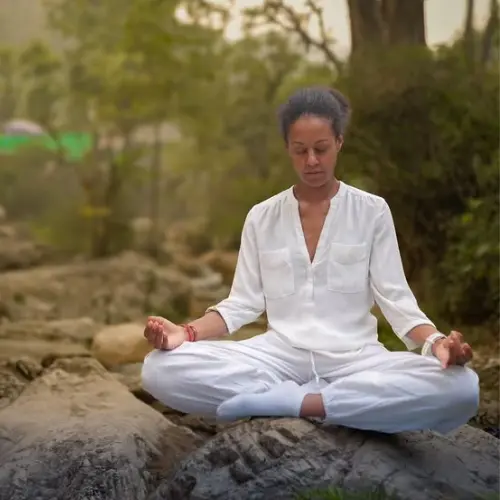
For someone just starting out, the noise of the world can be overwhelming. Until you develop your own technique, structure and timing matter.
So what actually happens when you begin?
Most people are surprised by one thing — the mind becomes louder. Thoughts rush in, one after another. This is usually where people feel they’re “bad” at meditation and stop trying. But this is not failure. This is awareness beginning.
Over the years of working with students, we found something that helps at this stage.
When you sit to meditate, keep a journal beside you. Every time a thought pulls your attention, open your eyes and write it down. It doesn’t matter how strange or unnecessary it seems. Don’t judge it. Don’t try to fix it. Just write.
You don’t need to succeed in a few days. Sometimes it takes weeks. The point isn’t to stop thoughts — it’s to recognize them. Slowly, something changes. The gaps between thoughts grow. The mind starts settling on its own.
That’s your first real step.
The next phase is harder.
Now awareness doesn’t stay limited to meditation time. It follows you into your day. You begin noticing how easily your mood shifts — a comment from your boss, a conversation you overhear, a small conflict on the road. Earlier, these moments quietly sank into your subconscious. Now, you catch them as they happen.
Carry your journal if you need to. Write things down during breaks. This isn’t about becoming perfect or calm all the time. It’s about understanding what affects you and why. Slowly, situations that once felt heavy start losing their grip.
You feel lighter. Clearer. More present.
This phase can take time — sometimes a lot of it. Stay here as long as you need. Even later, there will be days when writing things out helps release what the mind is holding onto.
And then, without realizing it, something shifts again.
You notice you’re calmer in situations that once triggered you. Your focus improves naturally. Comparisons and comments don’t pull you in the way they used to. You start enjoying ordinary days — the weather, the silence, small moments that once passed unnoticed. Anxiety softens. Relationships feel clearer because you’re able to see emotions without reacting immediately.
Meditation stops feeling like something you do. It becomes something you are.
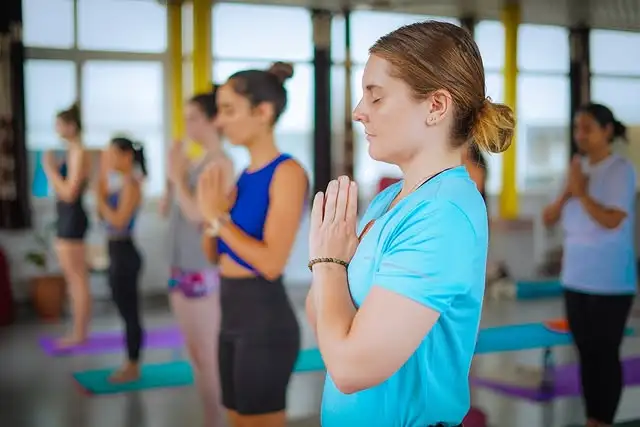
At this point, you don’t need a journal all the time. You can meditate anywhere — while walking, sitting at your desk, traveling, even during moments of stillness in a busy day. Thoughts still come, but they no longer control you. You choose which ones to engage with.
You may never live like a traditional monk, and you don’t need to. What matters is that you’ve learned how to live with awareness.
If you’re looking for a place to begin and feel you need a gentle push, you’re welcome to join our Yoga Teacher Training in Rishikesh. Over one month, we guide you through meditation, yogic practices, sound healing, and daily discipline. You’ll practice on the peaceful ghats of the Ganges, share the journey with like-minded people, go on weekly excursions, and enjoy nourishing meals — all under the guidance of experienced teachers
Either way, your journey continues.
And our yoga community awaits you with open arms.