

Yoga and meditation are popular because many people say they feel calmer, stronger and more focused after practising them. Research gives some support to these experiences, but it is mixed and often uneven in quality. This guide separates what research suggests from what people report, so you know what to expect and who should take care.
Benefits at a glance
| Area | Yoga | Meditation |
|---|---|---|
| Stress and mood | May help with stress and mood | May help with stress, anxiety and low mood |
| Sleep | May help sleep quality | May help sleep quality; results are similar to other approaches |
| Body | Strength, flexibility and balance; slight benefit for low back pain | Not a physical practice |
| Focus | Body and breath awareness | Trains attention and present-moment awareness |
| Blood pressure | Limited evidence | Limited evidence |
The summary above follows the US National Center for Complementary and Integrative Health (NCCIH). Neither practice is a treatment or a cure, and neither should replace medical care.
The benefits of yoga
Strength, flexibility and balance
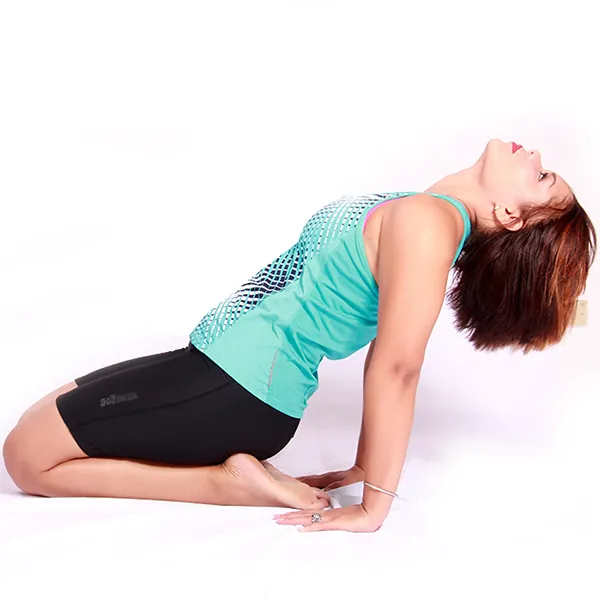
Yoga postures stretch and strengthen the muscles, and holding them builds balance and body awareness. Many people notice they move more easily after a few weeks of regular practice. Start gently and use props. See our guide to yoga poses for beginners.
Back and neck comfort
The evidence for yoga is strongest for low back pain, where research finds a slight benefit. Results for neck pain, headaches and knee osteoarthritis look promising but are limited. If you have pain, see a doctor first and tell your teacher before you start.
Stress, mood and sleep
Slow movement and steady breathing can leave you feeling calmer. Research suggests yoga may help with stress, mood and sleep, although individual results vary and studies differ in quality.
Digestion and the heart
Some people say that gentle twists and movement help them feel more comfortable after meals, and that yoga helps them relax. These are personal reports. We do not claim that yoga treats constipation, heart disease, arthritis or migraine, and it should not replace treatment. If you have a condition, ask your doctor which movement is suitable for you.
Looking for a perfect Yoga Teacher Training in Rishikesh?
Check out our 5 star rated 200 Hour Yoga TTC, 300 Hour Yoga TTC, 500 Hour Yoga TTC. Or our 7 days and 15 days yoga retreat in Rishikesh
The benefits of meditation
Calm and focus
Meditation trains attention. You sit quietly, follow the breath, a sound or a word, and bring your mind back each time it wanders. With regular practice many people find it easier to pause before reacting and to concentrate. Start with our guide on how to meditate.
Stress, anxiety and low mood
NCCIH reports that mindfulness programmes can help with anxiety and depression, with results similar to some established therapies in some analyses. The studies are uneven, and long-term effects are less clear. It is not a substitute for treatment from a health professional.
Sleep and blood pressure
Mindfulness may improve sleep quality, though results are similar to other approaches such as exercise or cognitive behavioural therapy. Evidence for blood pressure is limited.
Self-awareness and habits
Many people say meditation helps them notice thoughts, feelings and cravings without acting on them straight away. Mindfulness programmes are used alongside professional support for some habits, but meditation alone is not a treatment for addiction.
Memory and ageing
Some small studies suggest meditation may help attention and memory, but the evidence is limited and it does not prevent or treat dementia.
Yoga and meditation together
In classical yoga, meditation is one part of the practice, and many people do gentle postures and breathing first because a steadier body makes it easier to sit still. Read more in yoga vs meditation.
A simple way to start
- Pick a quiet time and place, and wear comfortable clothes.
- Do 5 to 10 minutes of gentle stretching or a few beginner poses.
- Sit comfortably and follow your breath for 3 to 5 minutes. Return to the breath each time your mind wanders.
- Practise a few times a week and add time slowly.
Who should take care
- Yoga is generally considered safe for healthy people with a qualified teacher. Sprains and strains are the most common injuries. Avoid extreme practices such as headstands and forceful breathing as a beginner.
- If you are pregnant, injured or have a health condition such as high blood pressure, speak to your doctor and tell your teacher.
- Meditation is usually low risk, but some people report unpleasant effects such as anxiety or low mood. If that happens, stop and talk to a teacher or health professional.
- Do not use either practice in place of medical care or to delay seeing a doctor.
Sources: NCCIH, Meditation and Mindfulness and NCCIH, Yoga. Written by the Rishikesh Yoga Teacher Training Center team. This is general guidance, not medical advice.