
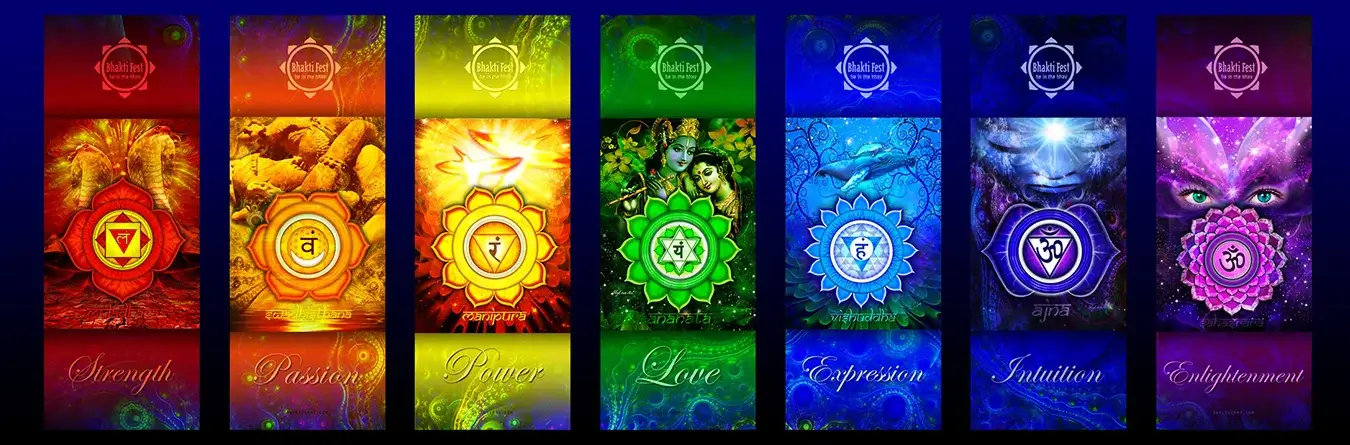
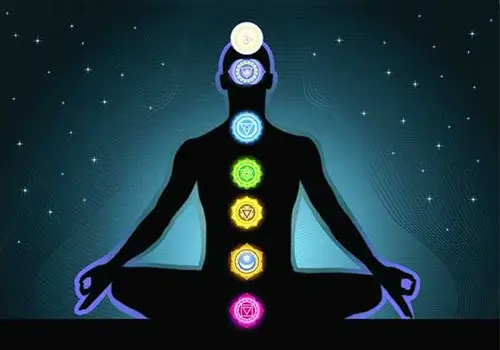
There are seven powerful energy centers in the human body that influence how we feel, think, and respond to life. When these chakras are balanced, energy flows naturally, creating a sense of calm, clarity, and emotional stability. However, modern lifestyles, stress, and emotional patterns often block this flow.
This guide explains how to activate and balance the chakras in a simple, practical way using breath awareness, visualization, mindfulness, and daily habits. Whether you are new to chakra work or deepening an existing practice, these steps help restore harmony between body, mind, and spirit.
Step-by-Step Guide to Activate and Balance Your Chakras
1. Root Chakra (Muladhara)
The Root Chakra represents your foundation and sense of safety. When balanced, it helps you feel grounded, stable, and secure in your daily life.
Location: Base of the spine
- Activation: Visualize a red light grounding you into the earth
- Balancing: Walk barefoot, practice slow breathing
- Affirmation: “I am safe and supported”
2. Sacral Chakra (Svadhisthana)
The Sacral Chakra governs emotions, creativity, and pleasure. A balanced sacral chakra allows you to enjoy life, express emotions freely, and maintain healthy relationships.
Location: Lower abdomen
- Activation: Visualize a flowing orange light
- Balancing: Creative activities like dance or art
- Affirmation: “I embrace my emotions and creativity”
3. Solar Plexus Chakra (Manipura)
This chakra is the center of confidence, self-esteem, and personal power. When it is balanced, you feel motivated, focused, and capable of making clear decisions.
Location: Upper abdomen
- Activation: Focus on a warm yellow glow
- Balancing: Set boundaries and personal goals
- Affirmation: “I am confident and empowered”
4. Heart Chakra (Anahata)
The Heart Chakra bridges the physical and spiritual worlds. It influences love, compassion, forgiveness, and emotional balance in relationships.
Location: Center of the chest
- Activation: Visualize green light expanding outward
- Balancing: Practice gratitude and compassion
- Affirmation: “I give and receive love freely”
5. Throat Chakra (Vishuddha)
The Throat Chakra is responsible for communication and self-expression. A balanced throat chakra helps you speak your truth clearly and listen with awareness.
Location: Throat
- Activation: Chant or hum gently
- Balancing: Journaling or conscious communication
- Affirmation: “I express myself clearly and truthfully”
6. Third Eye Chakra (Ajna)
The Third Eye Chakra governs intuition, perception, and inner guidance. When activated, it enhances clarity, focus, and the ability to trust your inner wisdom.
Location: Between the eyebrows
- Activation: Focus awareness on the forehead
- Balancing: Meditation and silence
- Affirmation: “I trust my inner wisdom”
7. Crown Chakra (Sahasrara)
The Crown Chakra represents spiritual connection and higher awareness. When balanced, it brings a sense of peace, purpose, and unity with the universe.
Location: Top of the head
- Activation: Visualize white or violet light
- Balancing: Meditation or prayer
- Affirmation: “I am connected to universal consciousness”
Conclusion
Balancing the chakras is not about perfection, but consistency. Regular practice helps cultivate emotional stability, mental clarity, and inner calm. Over time, chakra awareness supports personal growth and deeper self-understanding.
For those who wish to explore energy work more deeply through structured yogic practices, advanced programs such as our 300 hour yoga teacher training in Rishikesh provide guided learning in meditation, pranayama, and subtle body awareness, helping practitioners understand chakra work in a traditional yogic context.